



Proudly Serving Westchester, Putnam and Surrounding Counties
24/7 Emergency Service
1000+ Reviews
4.9 Rating
24/7 Emergency Service
900+ Reviews | 4.9 Rating
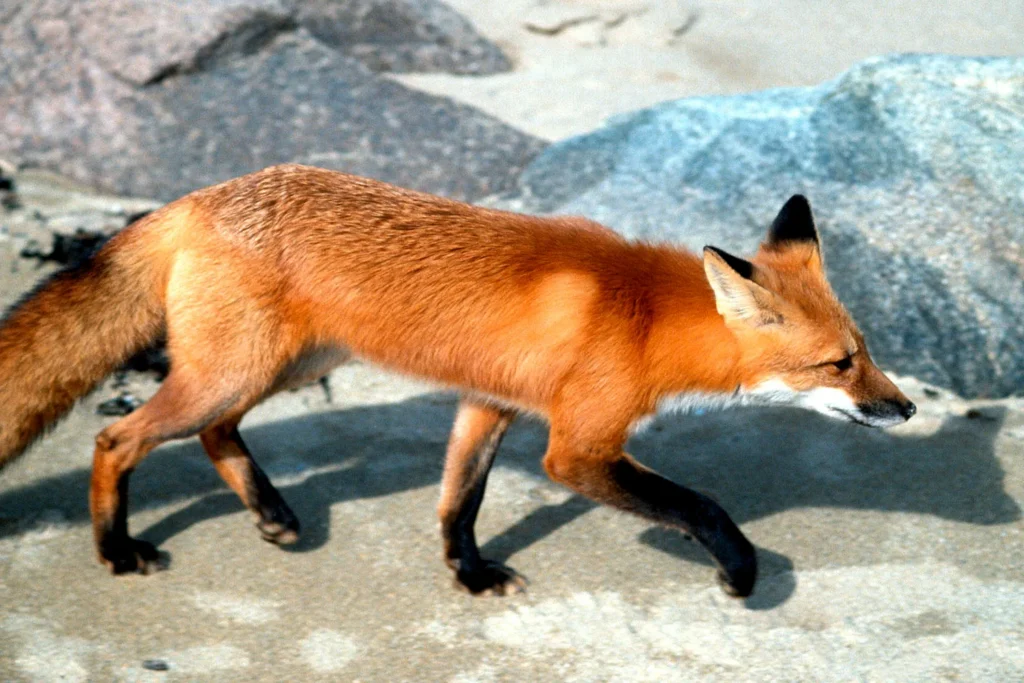
QualityPro removes foxes from Westchester properties through den inspection, humane trapping, and exclusion work that prevents return visits. Red foxes and gray foxes both live throughout Westchester County, and both species carry rabies. A fox denning under your deck or shed calls for a licensed response rather than a wait.
Most fox sightings in suburban Westchester are routine, because red foxes hunt rodents across yards and wooded edges nightly. The situation changes once a fox establishes a den beneath a structure you use. Homeowners who attempt removal risk bites, rabies exposure, and separating kits from an adult that returns.
QualityPro holds New York State pest control license number 13666 and provides 24/7 emergency support for wildlife. A technician evaluates den location, kit presence, structural access, and rabies risk before recommending fox control. That assessment determines whether exclusion alone resolves the problem or whether trapping becomes necessary.
After you schedule service with QualityPro, licensed technicians follow a structured three-step process for fox activity.

Technicians locate active dens, count entrances, check for kits, and document the conditions drawing foxes onto your property. Red fox dens commonly have multiple entrances, so a complete inspection matters before any removal work begins.

Species-appropriate methods remove the fox while limiting stress to the animal and disruption to your household. Timing follows the denning season, because removing an adult while kits remain inside creates a worse problem.
Technicians seal den entrances under decks, sheds, and porches once the structure is confirmed empty of foxes. Prevention work then addresses the food sources and ground access that made the location attractive originally.

At QualityPro Pest & Wildlife Services, transparency, honesty, and customer satisfaction are our core principles. We stand behind our solutions and provide clear assurances while protecting your property.

Fox activity shows through fresh digging at foundation gaps, scattered bones or feathers, musky odor, and night screaming. Tracks, scat near den entrances, and flattened grass paths across the yard confirm regular fox use.

Foxes follow food, which across Westchester means rodents, rabbits, fallen birdseed, unsecured garbage, pet food, and chickens. Dense brush, open crawl spaces, and gaps under decks then supply the shelter that turns a visit into residence.

Foxes den beneath decks, sheds, porches, crawl spaces, woodpiles, and in earth banks along wooded property edges. Red fox often enlarge an abandoned woodchuck burrow rather than digging a complete den from scratch.

A licensed professional identifies kit presence, applies New York rules correctly, and selects lawful methods for each situation. NYSDEC requires a permit to take a fox as a nuisance, which changes how lawful removal proceeds.
Fox control in Westchester starts with the den, not the sighting, because a passing fox rarely needs removal. QualityPro’s wildlife removal services determine whether a fox is hunting through, denning under a structure, or raising kits. The plan then combines den inspection, food source removal, ground-level exclusion, and trapping where New York rules allow it.
Suburban Westchester gives foxes continuous cover through wooded corridors, parks, rail beds, and connected backyards between neighborhoods. One property can close its own den sites, but lasting fox control improves when neighbors also secure garbage and feed pets indoors.
Fox removal timing depends on the breeding calendar, because New York red fox breed from December through April. Peak breeding falls across January and February, and kits occupy dens through spring into early summer. Removing an adult during that window leaves dependent kits behind, which creates an odor problem and a welfare problem.
Properties reporting fox activity often need coyote removal as well, because both species follow the same rodent populations. A single inspection covers both, which saves a second visit during the months when den activity peaks.
Fox den removal begins by confirming the den sits empty or clearing it of animals before any sealing happens. Technicians install one-way doors or monitor entrances to verify departure, then close the opening with dig-proof material. Sealing an occupied den traps animals underneath, so verification always precedes the structural repair work.
Call for fox control once a fox dens under an occupied structure, approaches people, or loses daylight wariness. Red fox are primarily nocturnal, so repeated daytime boldness near homes warrants an assessment rather than observation. A fox that staggers, appears disoriented, or behaves aggressively needs immediate reporting, because rabies carries substantial health risk.
Five habits reduce fox activity around Westchester homes through the winter denning season:
A fox denning under your deck or repeatedly approaching people calls for a prompt and informed response. Keep pets inside, stay clear of the den, then call QualityPro at 914-712-6333 or use the online contact form. A licensed technician assesses the den, kit presence, attractants, and legal options, then recommends targeted fox removal for your property.
Foxes rarely approach people, but red fox and gray fox both carry rabies, and small pets face genuine risk. Supervise cats, small dogs, and poultry, and contact local police about any fox showing aggression.
NYSDEC requires a permit to take a fox classified as a nuisance, though property damage situations follow different rules. A licensed operator determines which category applies before any fox removal work begins on your property.
Confirm the den is empty of kits, install a one-way door at the entrance, then seal with buried hardware cloth. Sealing an occupied den traps the animals, so professional verification comes before permanent exclusion work.
Fox den activity peaks between January and June, since New York red fox breed from December through April. Kits remain dependent inside the den through spring, which makes winter the practical window for exclusion.
Fox removal cost depends on den location, kit presence, exclusion material, structural access, and follow-up monitoring needs. QualityPro recommends a scope after a technician evaluates the actual den conditions on your property.