


Proudly Serving Westchester, Putnam and Surrounding Counties

24/7 Emergency Service

1000+ Reviews
4.9 Rating

Proudly Serving Westchester, Putnam and Surrounding Counties

24/7 Emergency Service

1000+ Reviews | 4.9 Rating

Mole Control in Westchester County, NY

SAFE AND EFFECTIVE WILDLIFE REMOVAL SOLUTIONS SINCE 2004
Licensed mole control and lawn tunnel removal for homes and businesses across Westchester County.

Professional Mole Control Services in Westchester County

QualityPro delivers mole control across Westchester through lawn inspection, targeted trapping, and tunnel work that stops repeat damage. Eastern moles and star-nosed moles both live throughout Westchester County, and both tunnel through managed turf. A lawn breaking into raised ridges and fresh soil mounds calls for a licensed response.

Moles eat earthworms, grubs, and soil insects rather than plant roots, so the damage comes from digging instead of feeding. The tunneling lifts grass away from the soil, which cuts the roots off from water and kills the turf above. Homeowners who flood tunnels or set hardware-store traps usually push the moles sideways into untouched lawn.

QualityPro holds New York State pest control license number 13666 and provides 24/7 emergency support for wildlife. A technician maps active runs, separates feeding tunnels from travel tunnels, and checks soil conditions before recommending mole removal. That assessment determines how many traps the lawn needs and where each one belongs.

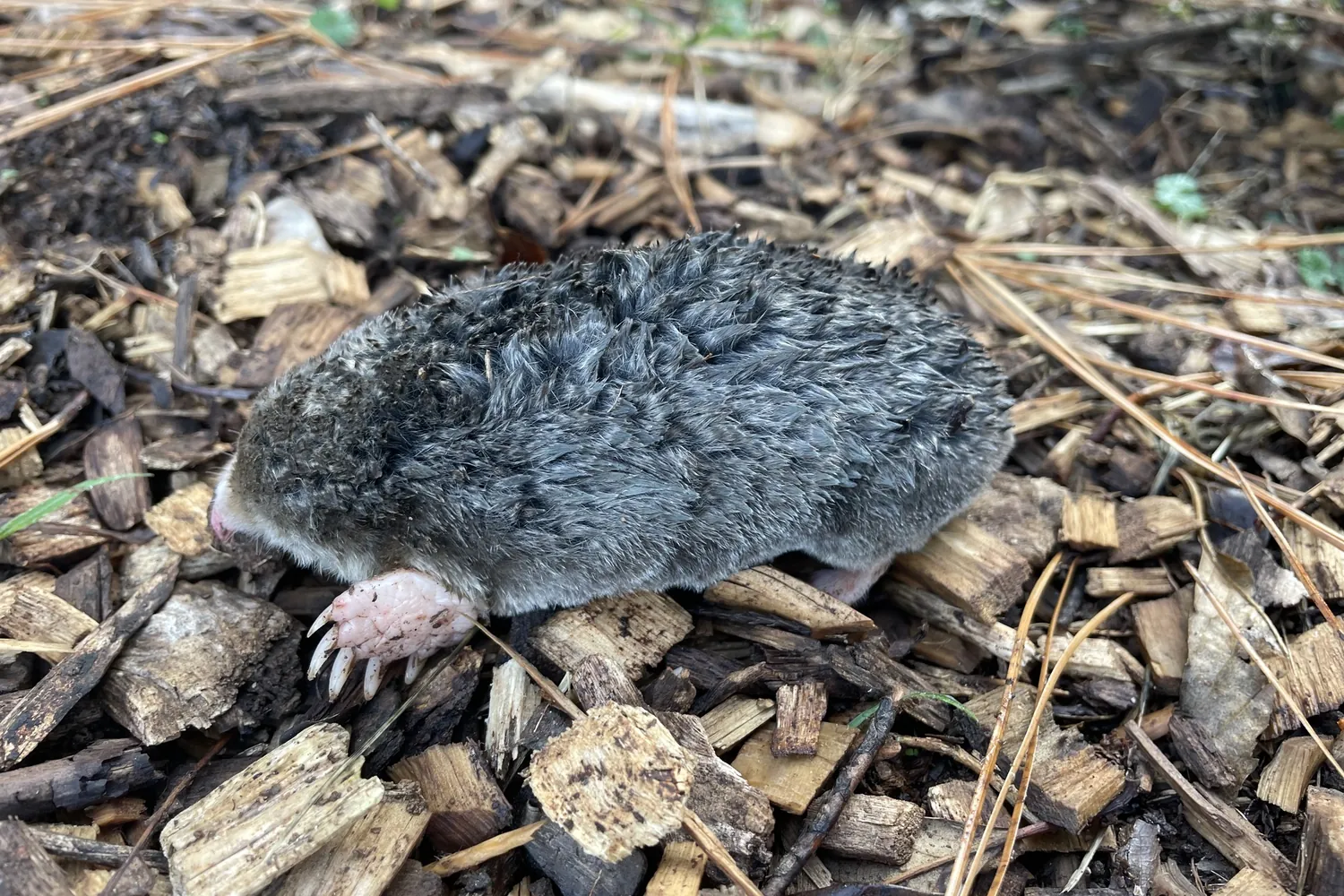
An eastern mole with its broad digging claws crossing wood mulch.
Getting Rid of Moles
SAFE AND EFFECTIVE WILDLIFE REMOVAL SOLUTIONS SINCE 2004

Our 3-Step Mole Removal Process

After you schedule service with QualityPro, licensed technicians follow a structured three-step process for mole activity.

inspection icon

Thorough Lawn and Tunnel Inspection

Technicians walk the lawn, press down surface ridges, and return later to find which runs the moles reopen. Only active tunnels receive traps, which is why a proper inspection decides the outcome of the whole job.

targeted treatment icon

Targeted Mole Trapping and Removal

Trapping remains the most reliable method for mole extermination, because no repellent or bait clears an established run. Technicians set traps directly in active travel tunnels, where moles pass through several times each day.

ongoing prevention icon

Soil Treatment and Prevention

Prevention work addresses the soil insects, moisture levels, and lawn conditions that make your yard worth tunneling. Technicians repair collapsed runs and flatten ridges so new activity shows clearly against the restored turf.


Mole Problems?
We Can Help.
Call Now to Learn More
The QualityPro Guarantee

At QualityPro Pest & Wildlife Services, transparency, honesty, and customer satisfaction are our core principles. We stand behind our solutions and provide clear assurances while protecting your property.

Understanding Your
Mole Problem

Home icon with a magnifying glass

Common Signs of
Mole Activity

Mole activity shows through raised surface ridges, conical soil mounds, spongy ground underfoot, and grass yellowing along the runs. Damage appears overnight in most cases, because a single mole tunnels up to eighteen feet in an hour.

Home icon with a magnifying glass

Why Moles Enter
Your Yard

Moles follow food, which in Westchester means earthworms, grubs, beetle larvae, and other soil insects in irrigated turf. Loose, moist, well-maintained soil digs easily, so the healthiest lawns on a street often attract the heaviest tunneling.

Home icon with a magnifying glass

Where Mole
Tunnels Run

Surface feeding tunnels sit just under the grass, while deep travel tunnels run six to twelve inches below. Star-nosed moles dig the deepest runs, and the soil they push upward becomes the molehills visible across the lawn.

Home icon with a magnifying glass

Why Professional
Mole Removal Wins

A licensed professional identifies which runs are active, places traps correctly, and treats the conditions that attract moles. Trap placement in an abandoned tunnel catches nothing, which is the usual reason homeowner attempts fail for weeks.

Comprehensive Mole Removal Services in Westchester County

Mole control in Westchester starts with the tunnel map, not the molehill, because most visible mounds sit above inactive runs. QualityPro’s wildlife removal services separate feeding tunnels from travel tunnels and confirm how many animals the lawn supports. The plan then combines active-run trapping, soil insect treatment, turf repair, and follow-up monitoring across the property.

Moles work alone across large territories, so one animal can produce tunneling that looks like an infestation to a homeowner. Clearing that animal usually restores the lawn, though neighboring yards with the same soil conditions can supply a replacement within a season.

Fresh molehills scattered across a lawn.

Why Mole Control in Lawns Needs More Than Grub Treatment

Grub control alone rarely solves a mole problem, because earthworms make up the larger share of a mole’s diet. Killing the grubs removes one food source and leaves the rest of the soil life untouched beneath the turf. Lawns treated for grubs and nothing else often show the same tunneling pattern a few weeks later.

Properties with mole runs frequently need groundhog removal as well, since both animals burrow through the same lawns, garden beds, and yard edges. One inspection covers both, which saves a second visit during the spring and fall months when tunneling peaks.

How to Get Rid of Moles in Your Yard

Getting rid of moles in your yard starts by marking every ridge, flattening them, and watching which runs reopen. Traps then go into the reopened travel tunnels rather than the surface feeding runs that moles abandon quickly. Flooding, smoke bombs, and ultrasonic stakes move the animal a few feet and leave the lawn still occupied.

When to Call for Mole Pest Control

Call for mole pest control once ridges spread across the lawn, mounds multiply, or grass begins dying along the runs. Tunneling that reaches flower beds, vegetable gardens, or irrigation lines causes damage well beyond the cosmetic stage. Repeat activity after two or three weeks of homeowner trapping also signals that run selection is the problem.

Tips to Deter Moles and Stop Repeat Tunneling

Five habits help deter moles around Westchester lawns through the spring and fall tunneling season:

  • Reduce watering to firm the soil and push earthworms deeper
  • Treat for grubs and beetle larvae as part of a wider soil program
  • Clear leaf litter and mulch piles that hold moisture against the turf
  • Install buried barriers around vegetable beds and new plantings
  • Flatten ridges weekly so fresh activity stays easy to spot

Protect Your Lawn with Licensed Mole Removal Today

A lawn breaking into ridges and mounds loses root contact fast, and the dead turf costs more than the removal. Flatten the ridges, keep traffic off the runs, then call QualityPro at 914-712-6333 or use the online contact form. A licensed technician maps the active tunnels, confirms the species, and recommends targeted mole control for your property.

Frequently Asked Mole Control Questions
in Westchester

What is the best way to exterminate moles in a yard?

Trapping active travel tunnels remains the best way to exterminate moles, since repellents and baits leave established runs working. Technicians confirm which tunnels moles still use before setting anything, because trap placement decides the result.

No insecticide is registered to kill moles directly, and grub control only removes part of what moles eat underground. Earthworms make up the larger share of the diet, so grub treatment alone rarely ends the tunneling.

Natural methods include firming the soil through reduced watering, clearing moist mulch, and installing buried barriers around beds. These steps make the lawn less attractive over time, though an established mole still needs trapping to leave.

QualityPro removes moles across Westchester County under New York State pest control license number 13666. Moles are classified as unprotected in New York, so removal proceeds without the permit that some wildlife requires.

Mole removal cost depends on lawn size, tunnel network, number of active runs, soil treatment, and follow-up visits. QualityPro recommends a scope after a technician maps the actual activity across your property.